
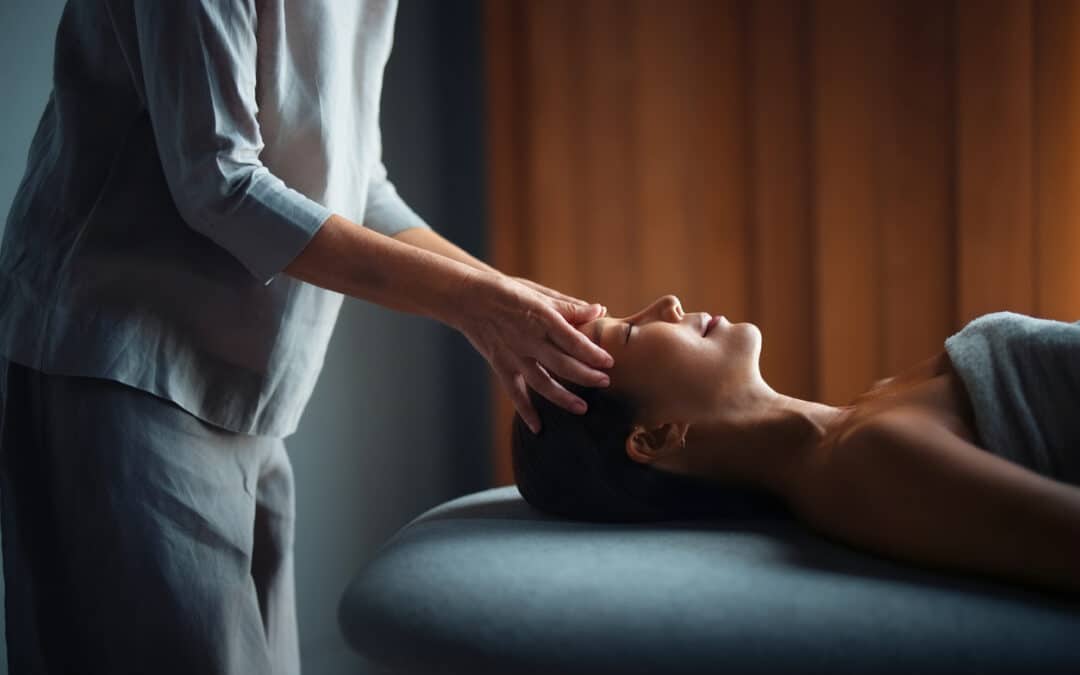
In today’s fast-paced world, chronic stress has become an invisible epidemic, quietly eroding mental clarity, physical health, and emotional balance. Despite countless wellness trends promising relief, most people still struggle to find a treatment that genuinely calms the nervous system at its root. Head spa therapy offers a science-backed, deeply restorative solution, and this article explores how it works, why it matters, and what it can do for your overall well-being.
How Head Spa Therapy Relieves Stress and Resets Your Nervous System
The human nervous system is remarkably sensitive to touch, scent, and intentional care, all of which are central to a head spa experience. When the body is under chronic stress, the sympathetic nervous system stays in overdrive, making it difficult to rest, focus, or recover. Targeted scalp therapy interrupts this cycle by triggering a cascade of calming neurological responses. The scalp, rich in nerve endings and blood vessels, is one of the most powerful access points for influencing how the brain and body feel.
Regular head spa therapy sessions not only reduce tension in the head and neck but also create lasting shifts in how the nervous system responds to everyday pressure. Here’s a closer look at the key mechanisms that make this therapy so effective:
What Is Head Spa Therapy?
Head spa therapy is a specialized wellness treatment focused on the health of the scalp, hair follicles, and surrounding musculature. Originating in Japanese wellness culture, it combines deep scalp massage, cleansing, steam treatments, and often aromatherapy into a single, immersive session.
Unlike a standard shampoo or salon treatment, head spa therapy is designed with therapeutic intention, addressing both the physical condition of the scalp and the mental state of the client. Practitioners use precise pressure techniques along the scalp, temples, neck, and shoulders to release stored tension and stimulate circulation.
The Science Behind Stress and the Nervous System
Stress activates the hypothalamic-pituitary-adrenal (HPA) axis, flooding the body with cortisol and adrenaline. Over time, chronically elevated stress hormones damage everything from gut health and immune function to memory and sleep quality.
The autonomic nervous system, which governs involuntary functions like heart rate and digestion, has two branches: the sympathetic (fight-or-flight) and parasympathetic (rest-and-digest). Most people living with chronic stress are locked in sympathetic dominance, leaving them constantly alert, reactive, and unable to fully relax.
Understanding this neurological framework is essential to appreciating why hands-on therapies targeting the scalp and cranial region can produce such measurable and lasting reductions in stress.
How Touch Activates the Parasympathetic Response
The skin is the body’s largest sensory organ, and the scalp is among its most nerve-dense regions. When slow, deliberate pressure is applied to the scalp, specialized nerve cells that respond to touch send signals directly to the brain via the peripheral nervous system.
These signals travel to the hypothalamus and brainstem, where they help modulate stress responses and trigger the release of oxytocin, serotonin, and endorphins. This neurochemical shift is the biological foundation of why therapeutic touch feels so profoundly calming.
The scalp’s unique density of sensory nerve endings makes it an especially powerful entry point for activating the body’s natural relaxation response and restoring balance to an overstimulated nervous system.
The Role of Scalp Massage in Cortisol Reduction
Cortisol, often called the stress hormone, is released by the adrenal glands in response to perceived threats. Multiple peer-reviewed studies have demonstrated that massage therapy significantly reduces cortisol levels, sometimes by as much as 30 percent after a single session.
Scalp massage, in particular, targets the occipital and temporal regions where tension commonly accumulates, releasing the tight fascia and muscles that signal ongoing distress to the brain. As muscular tension dissolves, the brain interprets the body as safe, which reduces the demand for cortisol production.
Breathwork and Aromatherapy as Nervous System Regulators
Most quality head spa therapy sessions integrate breathwork cues and aromatherapy alongside physical scalp treatment. Slow, diaphragmatic breathing activates the vagus nerve and shifts the body into parasympathetic dominance within just a few breath cycles. When clients are guided to breathe deeply during a session, the combined effect of touch and breath creates a synergistic neurological reset that is far more powerful than either alone.
Aromatherapy adds another layer of nervous system regulation through the olfactory system, the only sensory pathway with a direct connection to the limbic system, which governs emotion and memory. Essential oils such as lavender, bergamot, and frankincense have been clinically studied for their ability to lower cortisol, reduce anxiety, and promote sleep.
Increased Blood Flow and Its Impact on Mental Clarity
One of the most immediate and measurable effects of head spa therapy is enhanced circulation. The scalp sits directly above a network of arteries and veins that supply the brain with oxygen-rich blood.
When massage techniques stimulate this vascular network, circulation improves not only to the scalp and hair follicles but also to the underlying cerebral tissue, which supports cognitive function, focus, and mental clarity. Many clients report feeling noticeably sharper, more present, and less mentally fatigued following a session.
The Vagus Nerve Connection
The vagus nerve serves as the primary communication highway between the brain and the body’s major organ systems and plays a central role in regulating the parasympathetic nervous system. Stimulating the vagus nerve has been linked to reduced inflammation, better emotional regulation, improved digestion, and lower anxiety.
Scalp and neck massage directly stimulates vagal pathways by working along the cervical spine and occipital ridge, where the nerve’s branches are most accessible. By consistently activating these pathways through therapeutic scalp work, clients can experience meaningful, long-term improvements in how their nervous system handles stress.
Experience the Reset You’ve Been Looking For
Imagine leaving a treatment feeling as though your nervous system has been completely powered down and rebooted; that is exactly what a skilled scalp spa treatment can deliver. Rejuv Head Spa in Calabasas, CA, is a premier destination for anyone seeking deep relaxation, scalp restoration, and a genuine neurological reset from the demands of daily life.
Book your appointment today or call 818-264-4306 and take the first step toward a calmer, clearer, more restored version of yourself.
Conclusion
The connection between scalp care and nervous system health is far more profound than most people realize, and the evidence supporting therapeutic scalp work continues to grow. From cortisol reduction and vagal stimulation to improved circulation and parasympathetic activation, the benefits extend well beyond relaxation into genuine physiological restoration.
If you are ready to address stress at its neurological root, head spa therapy may be one of the most effective and enjoyable tools available to you.